Gnome and Mushrooms: A Garden-Themed Embroidery Design That Delivers
As a designer who’s stitched hundreds of machine embroidery designs for client projects, Etsy shops, and boutique merchandise, I approach each new file with equal parts curiosity and skepticism. When Gnome and Mushrooms landed in my inbox, I paused—not because it looked flashy, but because it felt quietly confident. It’s not trying to shout. It’s inviting you into a soft, mossy corner of the garden where whimsy meets craftsmanship. That mood matters more than you’d think when choosing a design for real-world use.
First Impressions: Charm Without Clutter
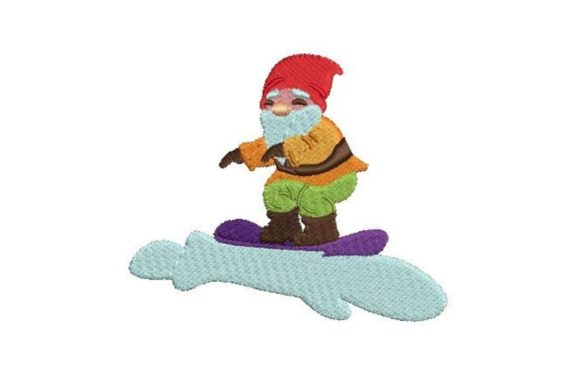
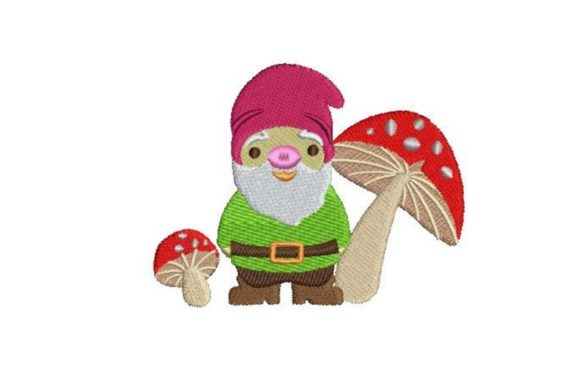
The layout is thoughtful—not too wide, not too tall. The gnome sits slightly off-center, leaning toward a cluster of rounded mushrooms with gentle caps and subtle gills. There’s no frantic detail overload; instead, the design uses balanced satin stitch for stems, airy fill stitch for foliage, and just enough running stitch to suggest texture without risking thread breakage. It reads clearly at 3.5”–4.5”, which makes it ideal for tote bag designs, pillow covers, and tea towels—products where legibility and charm coexist.
I tested Gnome and Mushrooms on a linen-cotton kitchen towel first. The result? Warm, handmade, and unmistakably intentional. Customers browsing a small shop or Etsy listing wouldn’t scroll past—it has that quiet visual weight that signals care, not automation. It doesn’t scream “cute.” It whispers “crafted,” and that distinction builds trust.
Where It Shines (and Where It Needs Care)
This design excels in custom apparel for relaxed, nature-inspired brands—think organic cotton sweatshirts for a local nursery, embroidered baby onesies with minimalist flair, or aprons for herbalists and bakers. Its scale and spacing hold up beautifully on curved surfaces like cap fronts, especially when hooped with light cutaway stabilizer and stitched at moderate density.
But here’s what I watched closely: the mushroom caps. They rely on smooth satin stitch transitions. On stretchy fabric like jersey or thin knits, those curves can pucker if stabilizer isn’t layered thoughtfully—or if the design is scaled beyond its intended range. I wouldn’t push Gnome and Mushrooms below 2.75” without checking stitch integrity in a test run. Tiny lettering or micro-details aren’t part of this design—and that’s a strength. It avoids the trap of over-engineering for size flexibility.
For embroidered patches, it’s a standout. Clean outer edges, minimal underlay, and balanced fill areas mean clean tear-away results and crisp iron-on application. I’ve used it as a sew-on patch on denim jackets and canvas totes—each time, the garden theme reads instantly, even from across a craft fair booth.
Real-World Use Case: A Holiday Gift Line for a Small Shop
Last November, I developed a holiday collection for a friend’s handmade shop—focused on cozy, nature-rooted gifts. We chose Gnome and Mushrooms for a limited run of linen pillow covers and organic cotton tea towels. Why? Because it offered instant thematic cohesion without requiring custom illustration. It paired effortlessly with hand-stamped tags, kraft packaging, and neutral-toned photography. Buyers responded strongly—not just to the design, but to how “finished” the whole product felt. That polish comes from choosing embroidery file assets that support, not compete with, your brand voice.
We also used it on baby blankets (with soft, low-density stitching and extra-tender stabilizing) and as a subtle chest accent on unisex sweatshirts. In every case, the design held its personality: friendly but not childish, earthy but not rustic-overload. That versatility is rare in floral-adjacent embroidery—it leans into folklore, not florals, which gives it breathing room in a crowded market.
Design Notes Every Embroidery Professional Should Check
- Test before committing: Stitch Gnome and Mushrooms on scrap fabric matching your final project’s weight and stretch—especially for baby embroidery or sweatshirt embroidery.
- Stabilizer matters: Light cutaway works best for stable fabrics like linen or duck cloth; for knit blends, add a layer of tear-away on top to prevent shadowing.
- Thread colors make or break it: Try earthy greens, warm reds, and creamy beiges—not high-contrast neons. This design thrives in natural palettes.
- Check stitch density in dense areas: The gnome’s hat and mushroom caps carry more satin stitch coverage—confirm they won’t feel stiff on lightweight garments.
- Hoop size compatibility: It fits comfortably in a 4x4 hoop, but verify your machine’s native limit before scaling up for larger tote bag designs.
- Licensing clarity: Since this is a digital embroidery file intended for commercial embroidery and craft business use, confirm the license permits finished product sales—especially for Etsy sellers and small shop owners.
- Mockup wisely: Preview Gnome and Mushrooms in both black-and-white and grayscale printable mockups. Its contrast holds up well, but subtle tonal shifts become obvious before stitching.
Why This Fits Your Creative Workflow—Not Just Your Wishlist
If you’re an Etsy seller juggling ten listings or a small shop owner curating seasonal merchandise, Gnome and Mushrooms saves time without sacrificing uniqueness. It’s not generic clip art dressed up as embroidery—it behaves like a considered design asset. It layers well with hand-lettered phrases (“Grow Wild,” “Home Grown”), supports cohesive product families, and translates cleanly across mediums: from embroidered patch to digital preview to physical gift tag.
More importantly, it reinforces professionalism. When customers receive a personalized gift stitched with Gnome and Mushrooms, they don’t just see a gnome—they sense intention. That feeling elevates perceived value, encourages repeat purchases, and strengthens your reputation as someone who chooses details with purpose.
So yes—Gnome and Mushrooms is floral-adjacent, but it’s rooted in storytelling, not stock motifs. It’s embroidery that feels like a quiet conversation between maker and recipient. And in today’s handmade market, that kind of resonance isn’t optional. It’s essential.