Snowboarding Gnome: A Craft Fair-Worthy Winter Embroidery Design
First Impression: Playful, Festive, and Instantly Recognizable
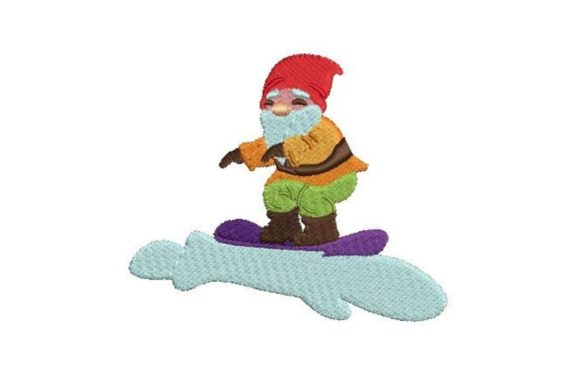
The moment I read “Snowboarding Gnome,” I smiled—and that’s the first real test. This isn’t a subtle or minimalist winter embroidery design. It’s cheerful, character-driven, and full of personality. It leans into lighthearted whimsy rather than rustic charm or elegant restraint. Think holiday market energy—not quiet cabin decor. Customers at craft fairs don’t pause to decode symbolism; they respond to joy, motion, and charm. Snowboarding Gnome delivers all three in one compact, story-rich image. Its appeal is immediate, especially for shoppers seeking handmade products with humor and seasonal warmth.
Where Snowboarding Gnome Shines on Craft Fair Products
In my booth setup—featuring embroidered tote bags, aprons, tea towels, patches, caps, fabric pouches, and pillow covers—Snowboarding Gnome performs strongest where it can be both seen *and* felt as intentional craftsmanship:
- Tote bag design: Works best centered on the front panel (8–10” wide). The dynamic pose reads clearly from 3 feet away, making it a natural conversation starter.
- Embroidered patch: Ideal for iron-on or sew-on versions. Small shops love selling these as impulse add-ons—especially paired with gnome-themed pins or mugs.
- Apron embroidery: Positioned above the pocket or on the bib, it adds playful contrast to utilitarian kitchen wear without overwhelming function.
- Tea towel embroidery: Best placed in the lower corner or along the hem. Avoid centering—it competes with drying utility. Let it wink from the edge instead.
- Caps and beanies: Requires careful placement on the front curve. Test stitch density first—tight curves demand simplified fill areas to avoid puckering.
It’s less effective on ultra-minimal items like monogrammed linen napkins or delicate silk pillow covers—its energy doesn’t translate there. Save Snowboarding Gnome for pieces that invite delight, not discretion.
Production Realities: What Makes This Design Sellable—or Stumble
As an embroidery designer who’s shipped hundreds of craft fair products, I judge Snowboarding Gnome by three practical metrics: clarity at a glance, scalability across sizes, and consistency in batch production.
At 6–8 inches wide, it reads beautifully. At under 3 inches, tiny details—like snowboard edges, knit cap texture, or facial expression—risk blurring, especially on textured towels or thick denim. That means if you’re offering embroidered patches at 2.5”, confirm the file includes a simplified alternate version—or plan to digitize one yourself.
Photographing Snowboarding Gnome for Etsy listings? It pops on light neutral backgrounds (cream canvas, oatmeal linen) but fades on busy prints or dark fabric unless thread colors are high-contrast (e.g., bright red hat on navy, white snowboard against charcoal). Always shoot a real mockup—not just a printable mockup—to assess how light reflects off stitches.
For commercial embroidery, verify licensing terms before selling finished products. The description says “This machine embroidery design comes with…”—but doesn’t specify usage rights. If you’re an Etsy seller or small shop product maker, confirm whether this digital embroidery file permits resale of physical goods. Don’t assume.
Careful-Use Notes Every Embroiderer Should Know
Snowboarding Gnome has visual charm—but it also carries production caveats:
- Dense stitch areas (like the gnome’s beard or snowboard base) may cause tension issues on lightweight cotton or stretchy knits. Use cutaway stabilizer for structure.
- Tiny details—snowflakes, boot laces, or facial features—won’t resolve cleanly below 4” width. Adjust expectations for small pouches or keychains.
- Curved surfaces (caps, gloves, curved tote handles) require re-hooping or specialty hoops. Test on scrap first—don’t rely on flat-hoop simulations.
- Dark fabric demands brighter top threads and possibly underlay adjustments. Run a sample with your exact thread colors before committing to 20+ units.
- Fabric texture matters. Terry cloth towels swallow fine detail. Opt for smooth cotton or linen blends for maximum definition.
Why Snowboarding Gnome Strengthens Your Booth & Brand
This isn’t just another winter embroidery design—it’s a micro-brand builder. At a crowded craft fair, Snowboarding Gnome draws eyes, invites smiles, and sparks “Oh! I need that!” moments. It elevates your handmade product line from generic to memorable. When paired with cohesive branding—think matching tags, simple packaging, and consistent thread palettes—it reinforces quality and intentionality.
Customers remember how a product makes them feel. Snowboarding Gnome feels joyful, approachable, and authentically handmade—not mass-produced or algorithm-generated. That emotional resonance translates directly to higher perceived value, stronger booth dwell time, and better repeat engagement. For Etsy sellers, it’s a standout thumbnail in a sea of snowflakes and pinecones.
Final Designer Checklist Before You Stitch
Before cutting fabric or loading your embroidery file, run through this quick list:
- Test the design on scrap fabric matching your final product (e.g., terry cloth for towels, twill for caps).
- Check thread contrast—especially on dark or patterned fabric.
- Review spacing between elements: does the snowboard clear the gnome’s boots? Does the hat sit naturally?
- Confirm hoop size compatibility—some versions may require larger hoops than your standard setup.
- Inspect stitch density in high-detail zones. Over-stitching = puckering. Under-stitching = transparency.
- Use the right stabilizer: cutaway for stability, tear-away for lighter fabrics, fusible for patches.
- Create at least one real mockup—not just a digital preview—to assess scale, color balance, and tactile impact.
- Compare thread colors across multiple fabric swatches. A “winter blue” looks different on ivory linen vs. heather gray fleece.
- Verify commercial licensing. If reselling finished goods, ensure your embroidery file permits it—or contact the designer directly.
Snowboarding Gnome isn’t just festive—it’s functional, market-tested, and full of selling potential. Used thoughtfully, it becomes more than a machine embroidery design. It becomes your booth’s secret smile.