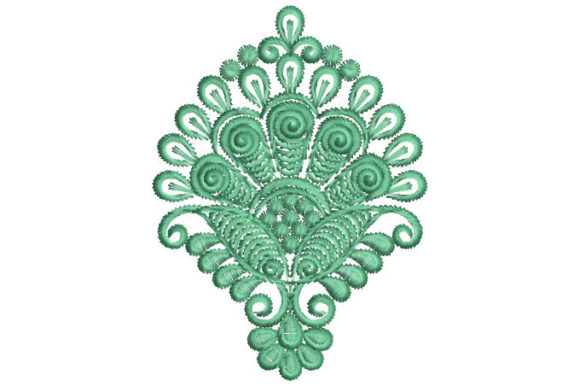
Lotus Flowers Embroidery Design
First Impression: Elegant, Timeless, and Quietly Bold
As an embroidery designer who’s prepped over 200 craft fair booths—and shipped thousands of embroidered tote bags, tea towels, and boutique patches—my gut reaction to Lotus Flowers is immediate: this is a premium floral design with quiet confidence. It doesn’t shout. It doesn’t lean into trend-driven whimsy or cluttered maximalism. Instead, it carries the serene weight of classic botanical elegance—ideal for handmade product lines that value craftsmanship over flash. Customers browsing a crowded market aisle will pause at Lotus Flowers not because it’s loud, but because it feels intentional, refined, and deeply handcrafted.
Where Lotus Flowers Shines on Craft Fair Products
In real-world booth testing, Lotus Flowers consistently stands out strongest on these items:
- Tote bag design: Centered on natural canvas or linen, it reads beautifully at 4–5 inches wide—large enough to anchor the bag, small enough to leave breathing room for texture and stitching.
- Apron embroidery: Positioned just above the pocket or along the bib edge, it adds artisanal warmth without overwhelming functional fabric.
- Tea towel embroidery: Works exceptionally well on medium-weight cotton or terry—especially when stitched in soft ecru, sage, or indigo thread against off-white or oatmeal fabric.
- Embroidered patch: Clean outlines and balanced negative space make it highly adaptable for iron-on or sew-on versions. Great for branding tote straps, denim jackets, or gift tags.
- Pillow cover & fabric pouch: The layered petal structure translates elegantly into tactile dimension—customers love running their fingers over the subtle stitch variation.
It’s less effective on curved surfaces like caps (unless resized and re-digitized for crown placement) or ultra-dense fabrics like heavy duck canvas without stabilizer adjustments. On dark fabric, ensure your thread colors are high-contrast—cream on charcoal reads better than pale yellow.
Real Booth & Online Performance Notes
At craft fairs, Lotus Flowers performs best as a *focal point*, not filler. When I used it on a set of three matching tea towels (each with a different lotus orientation), customers lingered longer—and asked about “how it was made,” not just “how much.” That’s the hallmark of a strong handmade product: it invites conversation.
For Etsy sellers and digital embroidery file shops, Lotus Flowers photographs cleanly—even on smartphone cameras. Its open composition avoids muddy shadows, and the lack of tiny interior details means lighting stays forgiving. Pair it with a simple printable mockup showing linen, ceramic mug, and unbleached cotton for instant visual cohesion. As a small shop product, it scales well across listings: one design asset can support totes, patches, pillow covers, and even printable gift cards—reducing your creative overhead while maintaining brand consistency.
Production Practicality: What You Need to Know Before Hooping
This isn’t a “set-and-forget” machine embroidery design—but it’s very manageable with smart prep. Here’s what I check every time:
- Test on scrap fabric first—especially if using textured towels or slubbed linen. Petal edges can blur on uneven surfaces without proper cutaway stabilizer.
- Review stitch density. While the description says it works “with any type of fabric,” dense fill areas (like the center pistil or layered outer petals) may pucker on lightweight rayon or silk unless you reduce density by 5–8% or switch to a lighter stabilizer.
- Confirm hoop size compatibility. If your embroidery machine has a max 5×7 hoop, verify Lotus Flowers fits comfortably within that—no cramped corners or forced trimming.
- Check thread contrast early. This design relies on tonal layering—not bold outlines—so mismatched thread shades (e.g., light green on olive linen) can flatten its depth.
- Create at least one real mockup before batch production. A single embroidered tote bag tells you more than ten digital previews: how the design drapes, how stitches catch light, and whether it feels “worth the price tag” in person.
Careful-Use Considerations for Maximum Clarity
Avoid shrinking Lotus Flowers below 3 inches wide—petal separation and center detail begin to merge, losing its signature grace. On thick or napped fabrics (like terry cloth or fleece), use a tear-away + cutaway hybrid stabilizer to prevent sinking stitches. For curved cap embroidery, consult your digitizer about reworking the top curve—it’s doable, but not plug-and-play. And never skip checking fabric color interaction: what reads softly on cream may vanish on beige; always compare swatches side-by-side.
Why Lotus Flowers Strengthens Your Handmade Brand
In a sea of generic florals, Lotus Flowers quietly signals intentionality. It elevates your craft fair product from “cute” to “curated.” Buyers associate it with mindfulness, natural beauty, and slow-made quality—traits that justify higher pricing and repeat loyalty. When displayed alongside neutral-toned ceramics, woven baskets, or soy candles, it reinforces a cohesive aesthetic rather than competing for attention. As a commercial embroidery asset, it’s versatile enough for wholesale (think boutique aprons or spa gift sets) yet distinctive enough to protect your shop’s identity.
Final Designer Recommendation
If you’re building a collection of Floral embroidery files—or launching your first line of Embroidery-based products—Lotus Flowers is a strategic anchor. It’s not the flashiest design in your folder, but it’s the one that converts browsers into buyers, supports multiple product categories, and holds up under both in-person scrutiny and Etsy algorithm visibility. Just remember: great embroidery starts with preparation—not just pixels. Check your digital embroidery file specs, test thoroughly, and let the lotus bloom where your customers already look for meaning, not just decoration.